

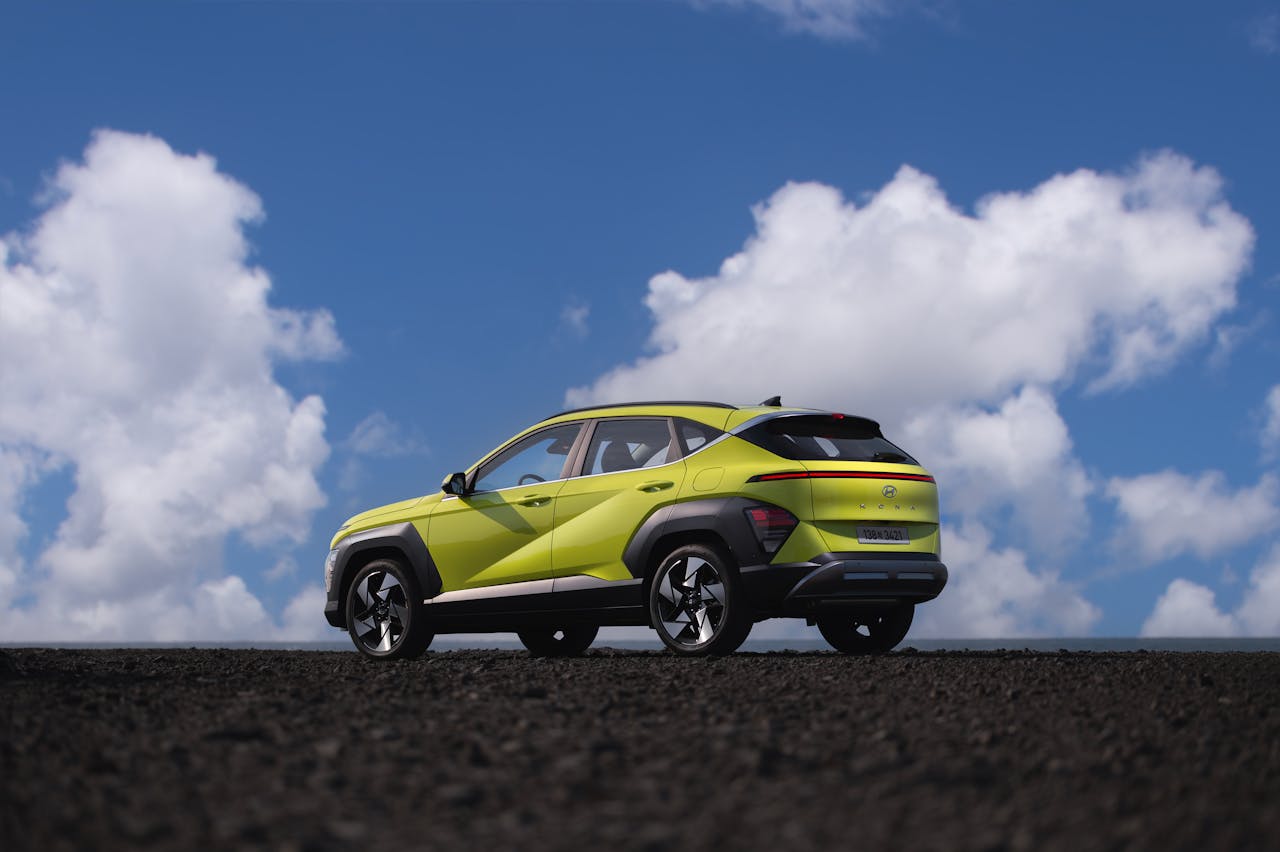
Don’t Let Long Island Roads Wreck Your Lease Return
Long Island roads are tough on cars, and leased Hyundais feel it every day. Potholes, winter salt, heavy traffic, tight parking lots, and flying highway debris can all leave marks that seem small in the moment. At lease end, those “little things” can turn into “excess wear and use” charges if they go beyond what your lease allows.
If you are planning a Hyundai lease return in Long Island, it helps to know what local road conditions do to your vehicle, what inspectors look for, and how to stay ahead of problems. With some simple habits and good records, you can protect yourself from surprise fees and keep your options open when your lease ends.
How Long Island Roads Accelerate Wear on Your Hyundai
Long Island roads take a beating from weather and traffic, and your Hyundai goes through it with them.
Potholes, Patched Pavement, and Winter Heaves
The LIE, Sunrise Highway, and many local streets can develop deep potholes and uneven surfaces. Hitting these again and again can lead to:
- Bent or cracked wheels
- Sidewall bulges or uneven wear on tires
- Misaligned suspension or steering pull
A lot of this does not jump out at you right away. You might just notice the car pulling slightly or the steering wheel sitting off-center. Even if you do not see the problem, lease inspectors can, especially when they check tires and suspension wear.
Coastal Climate and Road Salt Exposure
Living near the water is great, but the mix of ocean air and winter road salt is hard on metal parts. Over time it can cause:
- Rust on brake components
- Corrosion on the undercarriage and exhaust
- Seized or weakened hardware under the car
If corrosion is heavy or has been ignored, it may need attention before a lease return is complete. Rust that affects safety or function can lead to repair recommendations or fees if it is not addressed.
City-Style Driving and Parking Challenges
Town centers, train station lots, and narrow side streets often mean tight parking and close traffic. That brings its own set of wear issues, such as:
- Bumper scuffs from close parking
- Door dings from neighboring cars
- Curb rash on wheels from tight turns
Some light cosmetic wear is usually considered normal. But deep scrapes, large dents, broken trim, or multiple heavily curbed wheels can cross the line into chargeable damage if they go past your lease guidelines.
Understanding Excess Wear Fees on Your Hyundai Lease
Knowing how “normal” wear is different from “excess” wear can save stress at the end of your term.
What counts as normal vs chargeable wear
Every lease has its own guide, but in general:
Normal wear examples:
- Small paint chips or light surface scratches that can be buffed
- A few tiny interior marks from regular use
- Minor windshield specks that do not affect vision
Chargeable wear examples:
- Deep scratches that go through the paint or exposed metal
- Dented body panels or cracked bumpers
- Cracked glass or large windshield chips in the drivers’ view
- Ripped or burned seats, broken interior parts
Even if each item is small, a long list of issues can add up and go beyond what the lease allows.
How the Lease-End Inspection Really Works
For a Hyundai lease return in Long Island, there are usually two steps:
- A pre-inspection, done before your turn-in date, so you have time to fix issues
- A final inspection, close to or on the day you return the vehicle
Inspectors often review:
- Tires and wheels for depth, even wear, and damage
- Glass for chips and cracks
- Body panels and bumpers for dents and scrapes
- Interior for stains, tears, and missing parts
- Electronics and features to see that they work
- Maintenance records to confirm regular service
Common Long Island-Specific Charge Items
Because of local roads and weather, we often see the same concerns come up:
- Cracked or chipped windshields from highway debris
- Bent or curbed wheels from potholes and parking
- Worn-out tires that are below the allowed tread depth
- Underbody corrosion that was never addressed
Skipping or delaying maintenance can make some of this worse. For example, ignoring a wheel alignment can cause tires to wear out faster, which can lead to charges when tread is under the minimum.
How to Document Road-Related Wear Before Turn-In
Good records can help if there are questions about your vehicle’s condition later.
Create a Photo and Mileage Timeline
- Each side of the vehicle, front, and rear
- Close-ups of each wheel and tire
- The windshield and other glass
- Interior areas like seats and dash
Note the mileage and, if you remember, where any noticeable damage happened, like after a rough winter or a stretch of heavy construction.
Save Service and Repair Records
Keep all receipts for:
- Tire repairs, rotations, and alignments
- Wheel repairs or replacements
- Bodywork and paint touch-ups
- Windshield chip repairs or replacements
- Rust treatment or underbody cleaning
These records show that you responded to Long Island road damage in a timely way. If you ever need to question a fee, having proof that you took care of issues is helpful.
Use a Pre-Lease-End Checkup at a Trusted Hyundai Service Center
A professional pre-check near the end of your term can flag items that may turn into charges. Technicians who know Hyundai vehicles can point out what is likely to be considered excess wear and what is usually acceptable, and help you decide what to fix ahead of time so you can plan on your own schedule.
Smart Preventive Steps for Every Long Island Season
You cannot change the roads, but you can change how your vehicle faces them.
Spring and Summer: Post-Winter Recovery
After winter, Long Island roads often have fresh damage, and your vehicle carries months of salt and moisture. It is a good time to:
- Have an alignment and suspension check
- Inspect tires for uneven wear or bubbles
- Wash the undercarriage to remove leftover salt
- Look for new rust spots or peeling undercoating
Fall and Winter: Protection Before Harsh Weather
Before temperatures drop and storms start, protect your Hyundai where you can:
- Ask about protective undercoating or rust inhibitors
- Replace worn wiper blades and check washer fluid
- Repair windshield chips before they spread in the cold
- Make sure tire tread and pressure are ready for wet leaves, rain, and snow
Everyday Habits That Cut Wear and Use
Simple daily choices help reduce long-term wear:
- Avoid known pothole stretches when you have a safer route
- Take speed humps and rough patches slowly
- Use touchless or soft-cloth car washes to protect paint
- Park with extra care to avoid curbs and bumper contact
- Use Hyundai driver-assistance features, where equipped, to help with parking and staying in your lane
Turn Road Risks Into Lease-End Savings with Atlantic Hyundai
Long Island roads may be rough, but your lease-end experience does not have to be. By understanding how local conditions affect your Hyundai, staying on top of maintenance, and keeping good records, you can cut down the risk of excess wear fees when it is time for a Hyundai lease return in Long Island.
At Atlantic Hyundai in West Islip, we work with drivers who face the same roads every day. Our team is familiar with Hyundai Financial Services wear guidelines and the kinds of issues Long Island roads cause, and we can help you review your vehicle, discuss maintenance history, and explore your lease-end options, whether you plan to return your Hyundai, buy it, or move into a new lease.
Make Your Hyundai Lease Return Simple And Stress-Free
If your lease is ending soon, we are ready to guide you through every step so you can feel confident about your options. Start with our Hyundai lease return in Long Island to review your vehicle’s condition and explore your next steps. Our team at Atlantic Hyundai will help you decide whether returning, purchasing, or leasing another Hyundai is right for you. If you have questions or want to schedule an appointment, please contact us today.


