

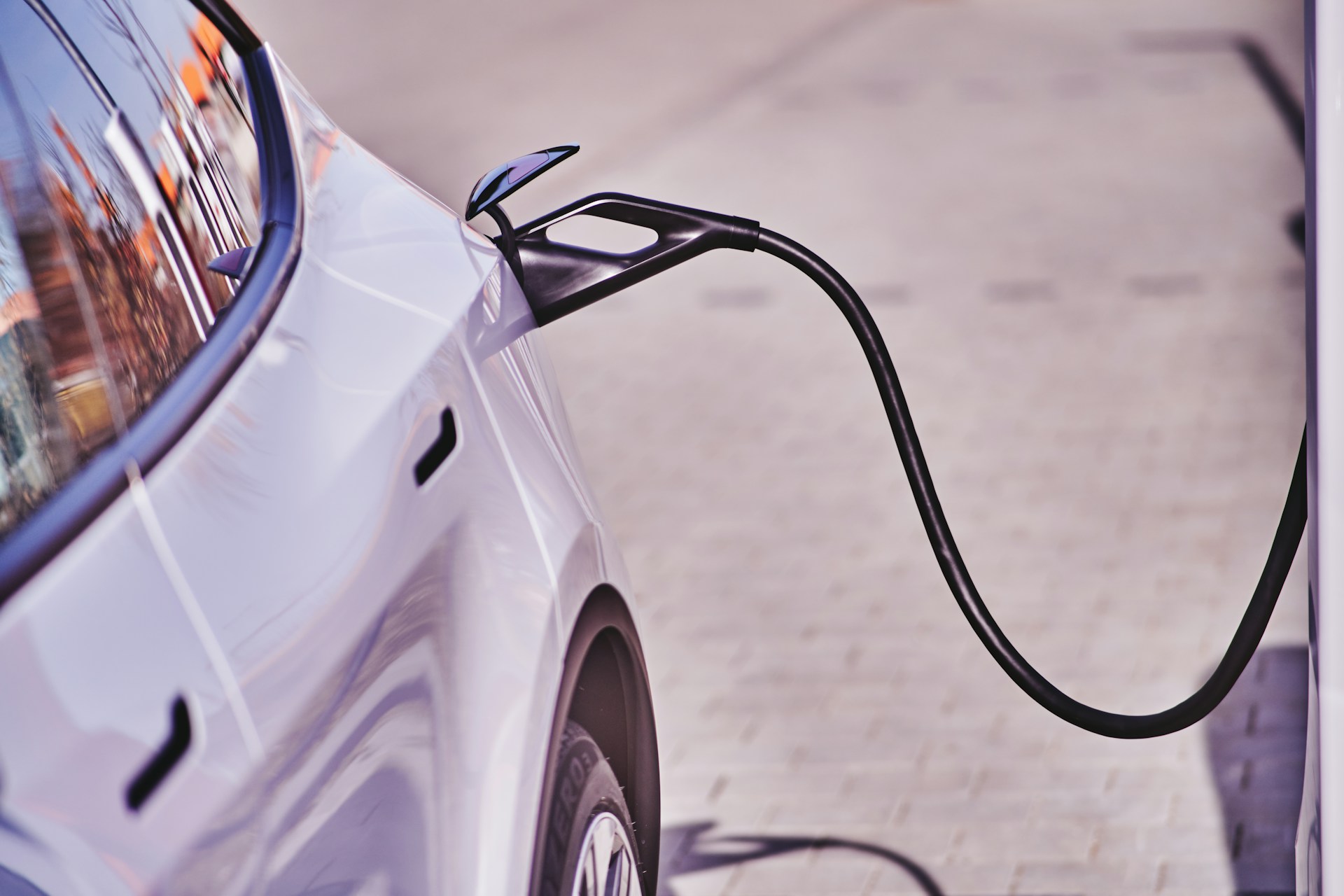
How Hyundai EV Charging Fits Long Island Lifestyles
Hyundai electric vehicles are a natural fit for Long Island life. With models like the IONIQ 5, IONIQ 6, and Kona Electric, more West Islip drivers are finding that going electric feels simple and familiar, not strange or hard. You still run the same errands, drive to the same beaches, and take the same commute; you just plug in instead of stopping at a gas pump.
Charging here looks different than in a big city. Many Long Island homes have driveways or garages, so a lot of your charging can happen quietly at home while you sleep. Your daily driving might be a mix of school drop-offs, runs to Babylon or Islip train stations, shopping along Sunrise Highway, and weekend trips to the sand and surf.
In this guide, we will walk through what Hyundai EV charging in West Islip looks like in real life. You will see how home charging works, where to plug in around town and across Long Island, how our team helps, and simple tips to keep your EV ready in every season.
Home Charging That Works for West Islip Life
For most Hyundai EV owners here, home charging is the main way to keep the battery full. Think of it like charging your phone: you plug in at night and forget about it.
There are two main types of home charging:
- Level 1 charging
- Level 2 charging
Level 1 uses a standard 120V household outlet. You plug the included charging cable into a normal wall plug. This adds range slowly, so it can work if you:
- Drive short miles most days
- Use the EV as a second car
- Just need overnight top-offs
Level 2 uses a 240V outlet, similar to what an electric dryer uses. This is what most West Islip Hyundai EV owners prefer because it charges much faster. It fits drivers who:
- Commute on the Long Island Expressway or Southern State
- Have busy family schedules and after-school activities
- Drive in all seasons and want a full battery ready each morning
With Level 2, many drivers can go from low to near full overnight, which fits nicely with daily routines like school runs, station parking, and local shopping.
Installing a charger in a Long Island home usually starts with an electrical panel check. A licensed electrician can look at:
- Panel capacity and available breaker space
- Whether the garage is attached or detached
- Where a wall-mounted or pedestal charger should go
Older Long Island homes may need a bit of extra planning to route power to a detached garage or outdoor parking spot. Outdoor-rated equipment and proper weather protection are important, especially with coastal weather and winter snow. There may be incentives from New York State, local programs, or federal tax credits for EV charging equipment, but it is always smart to confirm current offers.
Once your charger is in place, you can manage charging costs and timing. Some utilities offer off-peak rates at night, so scheduling charging for those hours can help keep monthly bills more predictable. Hyundai connected apps and in-vehicle settings let you:
- Set a charging schedule
- Choose a charge limit, like 80 or 90 percent
- Start or stop charging from your phone
A simple routine works well: plug in after dinner, let the EV charge overnight, then unplug in the morning. In warm weather, you can pre-cool the cabin while plugged in so you use less battery for air conditioning once you start driving.
Public Charging Options Around West Islip
While home charging covers most miles, public chargers add flexibility. Around West Islip and nearby towns like Bay Shore, Babylon, Islip, and Deer Park, you will find a mix of public Level 2 and DC fast chargers.
Common places to find chargers include:
- Shopping centers and grocery store lots
- Office and workplace parking areas
- Municipal parking lots and garages
- Highway routes like Sunrise Highway and the Southern State
Hyundai EV drivers can use in-car navigation, Bluelink Connected Car Services, and popular charging apps to search for charging stations, filter by connector type, and check general availability.
DC fast charging is different from Level 2. Instead of hours, it can add a lot of range in a short stop. Under good conditions, models like the IONIQ 5 and IONIQ 6 can go from a low battery level to about 80 percent in roughly the time it takes to grab a snack and stretch. Fast charging is helpful when:
- You take longer drives to the Hamptons or North Fork
- You head upstate or into the city for the day
- Your plans change and you drive more than expected
For everyday errands, many drivers just treat charging like a background task. You can top off while:
- Shopping for groceries
- Walking through a mall
- Grabbing lunch or coffee
During beach season, it helps to start the day with a full charge from home. Then you can drive to spots like Jones Beach, Robert Moses, or the Fire Island ferries with plenty of range. If you plan a longer beach day or a drive further east, a quick stop at a public charger on the route can keep things easy. After a short time, Hyundai EV charging in West Islip starts to feel routine, especially when you mix home charging with the occasional public top-off.
Hyundai EV Charging Support From Atlantic Hyundai
Before anyone switches to an EV, charging is usually the biggest question. At our dealership in West Islip, we spend a lot of time talking through real driving patterns and helping drivers match the right Hyundai option to their lives. That often means comparing gas, hybrid, plug-in hybrid, and full EV models.
A typical EV chat can cover:
- Your daily and weekly mileage
- Where you park at home and at work
- What outlets or electrical access you already have
- Your usual commute routes
- How often you might use public charging
We also explain charging basics in simple terms: connector types, what Level 1, Level 2, and DC fast charging mean, and what living with Hyundai EV charging in West Islip actually feels like day to day.
When it is time to set up home charging, we can offer guidance on equipment that works with Hyundai models and what to think about for installation. That can include talking through charger locations, how you might work with a licensed electrician, and where to look for information on possible incentives. Our goal is for EV drivers to leave with a clear plan for home charging, not just a new set of keys.
Our factory-trained service team understands EV systems, including high-voltage components and charging hardware. Keeping software updated can help with accurate range estimates and smooth charging with different networks. Routine maintenance is often simpler compared to gas vehicles, since there are fewer moving parts and no oil changes. When you pair that with easy plug-in charging, the whole ownership experience can feel lower stress.
Seasonal Charging Tips for Long Island Drivers
Long Island seasons affect all cars, and EVs are no different. In winter, colder temperatures can temporarily reduce driving range and slow charging slightly. This is normal for EV batteries.
A few winter tips help keep things simple:
- Preheat the cabin while plugged in
- Use heated seats and steering wheel when possible
- Start your day with a higher state of charge
- Allow a little extra range buffer for longer drives
It can also help to know where chargers are near places you visit often, like work, schools, malls, or sports complexes. That way, if the weather is harsh, you already know your options.
Spring and summer are great for EV driving on Long Island. Mild or warm temperatures usually help range and charging performance. Many drivers enjoy road trips to Montauk, Greenport, wineries, or overnights linked to Fire Island. A short stop at a Level 2 or DC fast charger along the way can fit easily into those plans. Using scheduled charging and cabin pre-cooling lets you hop into a cool car on hot days without putting extra strain on the battery.
Year-round, a few simple habits can support battery and charging health:
- Avoid using fast charging up to 100 percent on a constant basis
- Try not to leave the battery at very low or very high charge for long periods
- Check tire pressure as temperatures change, which helps range stay consistent
Any time you visit for service, our team can talk through your charging habits, answer questions about battery care, and review software updates. With a little planning and the right support, Hyundai EV charging in West Islip fits comfortably into everyday Long Island life.
Power Your Hyundai EV With Expert Local Support
Whether you are planning daily commutes or longer road trips, we make it easy to keep your electric Hyundai ready to go with trusted service and convenient Hyundai EV charging in West Islip. Our team at Atlantic Hyundai can help you understand your charging options, set up a maintenance schedule, and answer any questions about EV ownership. To schedule service or get personalized guidance, contact us today.


