

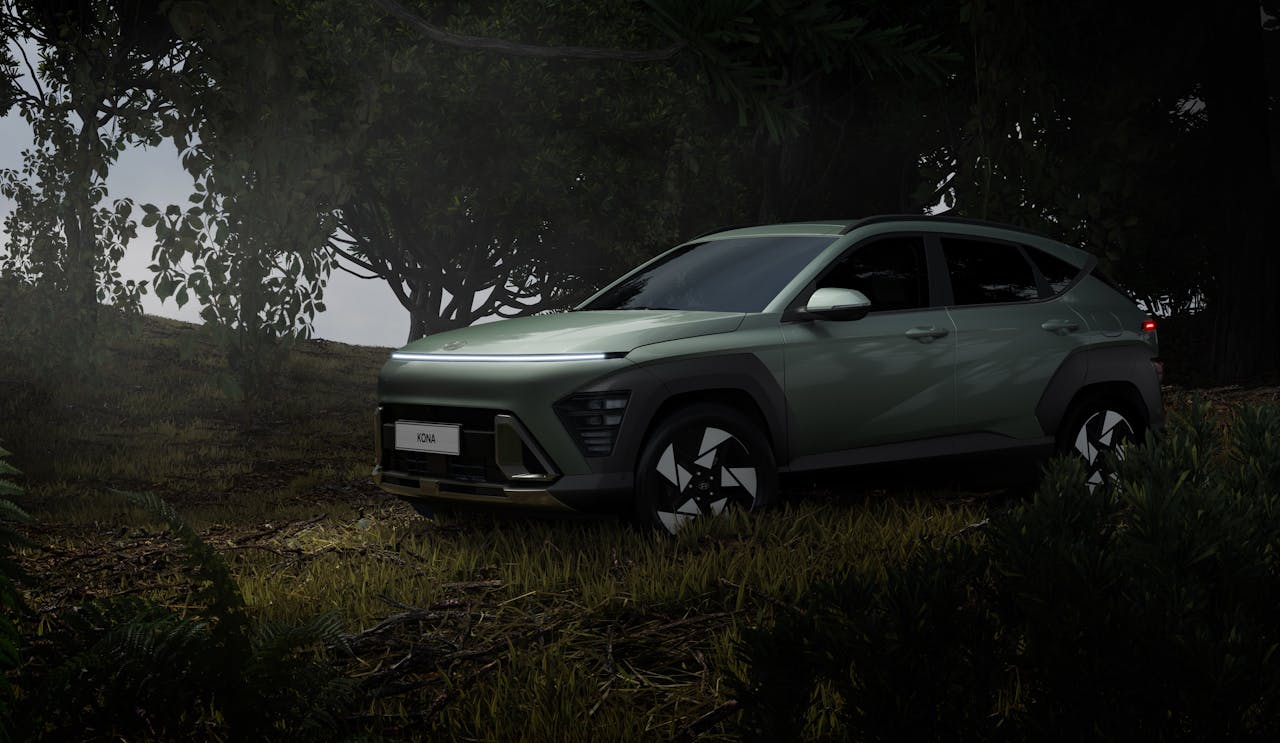
Rethinking Summer Driving with Hyundai Green Cars
Summer on Long Island usually means more time in the car. Gas prices creep up before Memorial Day, the LIE and Sunrise Highway feel packed all weekend, and simple beach trips can turn into long stop-and-go drives. It is no surprise that many drivers start to question how much they are spending at the pump and how all that idling affects the air we breathe.
Hyundai green cars in Long Island offer a different way to handle those same roads. Hybrids, plug-in hybrids, and fully electric vehicles can help cut fuel use, lower emissions, and make daily commutes quieter and more relaxed. Hyundai has a growing line of these models, from the IONIQ 5 to hybrid versions of familiar SUVs, with support right here in West Islip. Our goal is to clear up common questions about switching, so you can decide if a Hyundai green car fits your life on Long Island.
What Makes a Hyundai a Green Car?
When we say “green car,” we are really talking about how the vehicle uses energy.
Hyundai offers three main types of green vehicles:
- Hybrid: Runs on a gas engine plus an electric motor; the car switches between them or uses both together
- Plug-in hybrid: Works like a hybrid but has a larger battery that you charge. It can drive a certain distance on electric power before the gas engine joins in
- Fully electric: Uses only an electric motor and battery; there is no gas engine or tailpipe
All three are designed to reduce fuel use and cut tailpipe emissions compared to traditional gas-only models. That matters on crowded Long Island corridors, where traffic on roads like Southern State Parkway or Sunrise Highway can mean long stretches of low-speed driving. In that kind of traffic, electric motors and hybrids shine because they do not waste as much energy idling or creeping forward.
Performance is another area where myths pop up. Many people still think green cars are slow or dull to drive. Modern Hyundai EVs can give instant torque, which means quick, smooth response when you press the pedal. Regenerative braking helps recharge the battery when you slow down, which actually fits the constant stop-and-go many of us see each day.
Hyundai also puts a strong focus on long warranty coverage for electric components and batteries. For drivers trying a hybrid or EV for the first time, that kind of backing can bring real peace of mind.
Are Hyundai Green Cars Practical on Long Island Roads?
One of the first questions we hear is about range. People wonder if an EV can really keep up with daily life from Nassau to Suffolk. Most Long Island commutes, school drop-offs, and errands do not come close to the full range of current Hyundai electric vehicles. Even with weekend drives from West Islip to Montauk, Greenport, or into the city, many trips fit comfortably within a single charge.
In real traffic, hybrids and EVs often feel more at home than gas-only cars. They are built to be efficient at lower speeds and in heavy congestion. Benefits include:
- Regenerative braking that turns every slowdown into a bit of energy back into the battery
- Quiet operation that cuts noise during long backups
- Smooth, steady power that makes merging and passing feel easier
Long Island roads also bring their own challenges, like winter salt, potholes, and hot summer pavement. Hyundai designs suspensions and battery cooling systems to handle a range of weather and road conditions common in the Northeast. Traction and stability features can help keep you confident when roads are wet or covered with slush.
Most drivers do not need the full battery range every day. For many households, a simple daily pattern works well: charge at home overnight, use the car during the day, then plug in again when you park for the night. Public charging can then be used as a backup or for longer day trips.
Charging, Winter Weather, and Other Common Concerns
Charging is often the biggest unknown for drivers used to gas stations. Once it becomes routine, it feels a lot like plugging in a phone.
There are three basic charging levels:
- Level 1: A regular household outlet; slower, but useful if you drive shorter distances each day
- Level 2: A 240-volt home or workplace charger; a common choice for daily charging since it is much quicker than Level 1
- DC fast charging: A very quick charging option at dedicated public stations, helpful for longer trips or quick top-ups
On Long Island, many drivers charge mainly at home using Level 2, then occasionally use public chargers at shopping centers, municipal lots, or near major highways. Workplace chargers, where available, can add extra flexibility.
Weather is another concern. Cold winters and hot summers can affect range for electric vehicles. To help with that, Hyundai green cars use battery management systems that help keep the battery within a suitable temperature range. Features like preconditioning let you warm up or cool down the cabin while the car is still plugged in, which can help maintain more consistent driving range and keep you comfortable before you set off.
The fear of being “stranded” is understandable but rarely matches how people end up using their EVs. Typical habits look like:
- Plugging in at home at night
- Waking up with the range you need for the day
- Using public stations as a backup or for extra peace of mind on longer drives
Once drivers get used to that pattern, they often worry less about range than they expected.
Cost, Incentives, and Long-Term Value for LI Drivers
When people look at Hyundai green cars in Long Island, they often focus on fuel savings first. That is only part of the picture. Over time, total cost of ownership can be affected by several factors:
- Less money spent on gas for hybrids, and none for EVs
- No oil changes for fully electric vehicles
- Less wear on brakes because of regenerative braking
- Fewer moving parts in EV powertrains compared to gas engines
There may also be federal and New York State incentives for qualifying EVs and plug-in hybrids, plus potential local utility rebates for installing a home charger. These can help offset the upfront cost of going green, although specific programs and amounts can change over time.
On Long Island, where many families have more than one vehicle and longer commutes are common, lower day-to-day running costs can make a real difference. Green cars can turn frequent drives to work, school, and the beach into more budget-friendly trips, especially as gas prices rise and fall.
Resale value is another factor. Interest in efficient vehicles continues to grow, and more towns across the Island are adding charging options in public areas. As local charging networks expand and more drivers look for ways to cut fuel use, demand for hybrids and EVs is likely to stay strong.
Test-Drive the Future of Long Island Driving
The best way to decide if a Hyundai hybrid or EV works for you is to feel it in real traffic, on the same types of roads you use every day. A short test drive in local West Islip streets and nearby parkways can show you how quiet an EV feels, how a hybrid pulls onto the highway, and how regenerative braking changes the drive.
At Atlantic Hyundai, our team is ready to walk through questions about range, charging at home, public charging options across Long Island, and available incentives. You can explore both new and pre-owned green models, then choose a route that matches your typical commute or a weekend beach run. Trying a green car in your own backyard is often all it takes to see how much cleaner, quieter, and more relaxed Long Island driving can be.
Drive Cleaner And Save More With Your Next Hyundai
Explore our selection of Hyundai green cars in Long Island and see how easy it can be to cut fuel costs while lowering your emissions. At Atlantic Hyundai, we will walk you through charging options, available incentives, and the models that best match your daily driving. If you have questions or want to schedule a test drive, simply contact us and we will help you take the next step toward a greener drive.


