

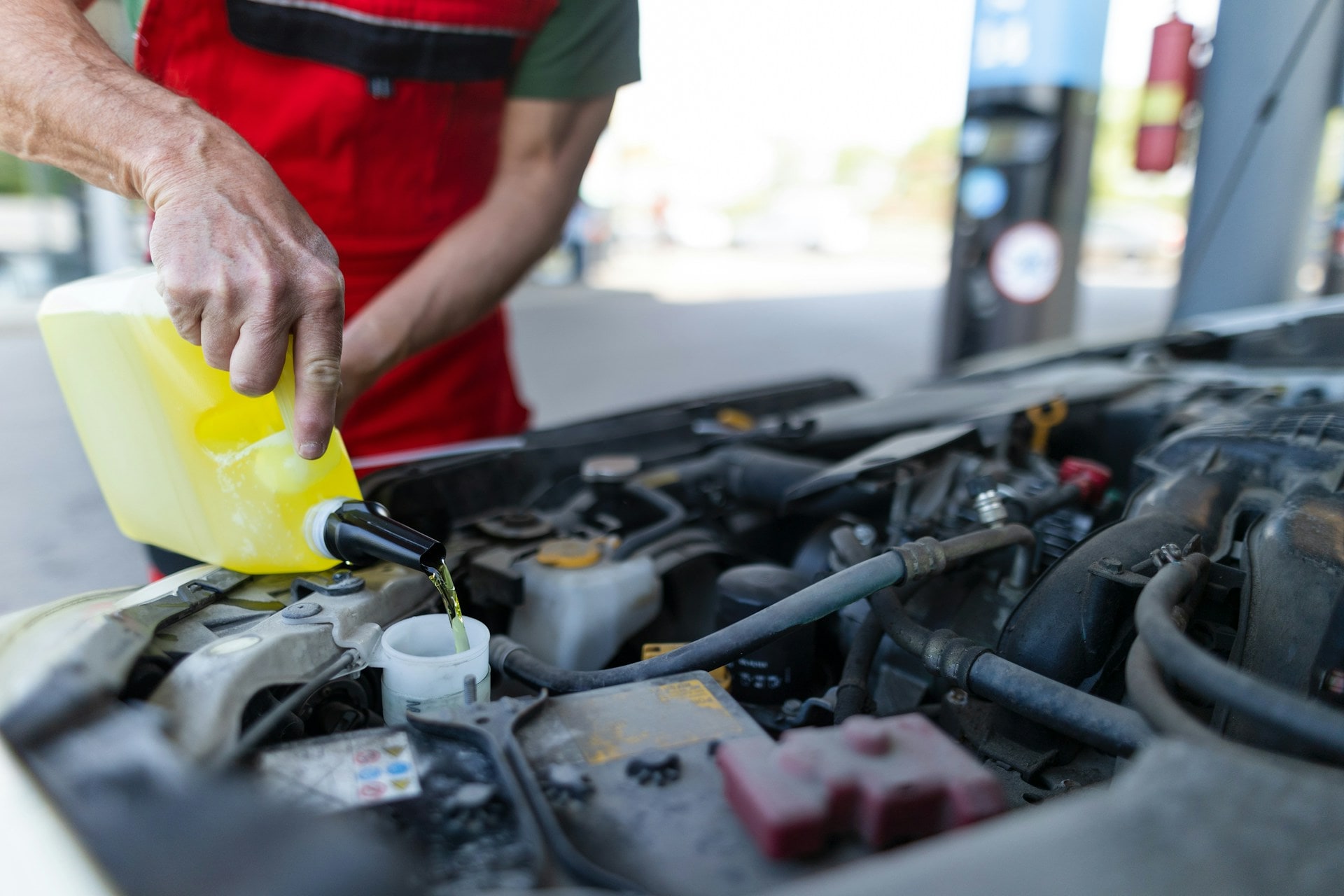
Keeping a car in good shape takes more than just gas and occasional washing. One thing a lot of drivers overlook is fluid maintenance, especially in places like West Islip, where seasons shift fast and spring can feel like a mix of warm sun and lingering cold. Weather plays a bigger role than most people realize when it comes to how your car’s fluids perform day to day.
For those of us who do plenty of driving around Suffolk County, it’s a smart move to stay ahead of small issues that pop up between seasons. That’s where routine Hyundai fluid replacement in West Islip helps. It keeps cars running smoother, longer, and out of the shop for bigger repairs. When the right fluids are topped off or replaced at the right time, the rest of the car doesn’t have to work as hard.
Why Fluids Matter for Your Hyundai
Every car depends on a mix of fluids to keep things moving safely and smoothly. Each one plays a key role, and neglecting even one can lead to bigger issues down the road.
- Oil helps reduce friction inside the engine, making sure parts glide smoothly instead of grinding together
- Transmission fluid keeps gear shifts clean and responsive so the car doesn’t jolt or slip during transitions
- Coolant controls engine heat, keeping it from getting too hot in summer or too cold in winter
- Brake fluid lets your car respond quickly when the pedal is pushed, giving you shorter, safer stops
- Windshield washer fluid clears away grime and buildup so your visibility stays sharp in any weather
When any of these fluids runs low, turns dirty, or breaks down, things start to wear out faster. Overheating engines, slipping gears, squeaky brakes, and even sudden stalls can all trace back to old or low fluids that should have been fixed before real damage happened.
Fluid Needs Change with the Seasons
Unlike a constant climate, Long Island sees wide seasonal swings. Winter hits hard with road salt and cold snaps, while spring brings in more moisture and temperature bumps that put different kinds of stress on your car’s systems.
- Cold weather thickens fluids like oil and transmission fluid, making it harder for them to move the way they should at startup
- Spring warms things up, helping fluids flow better, but melting snow and leftover salt can break down hoses and gaskets quicker
- Humidity starts creeping in, and that can create condensation where it shouldn’t, especially inside brake and radiator systems
It’s easy to assume just because your car made it through winter, it’s set for spring. But all that wear and tear has been building, and now is the window to catch small trouble before it resets into bigger repairs once summer heat arrives.
Signs Your Car Might Need a Fluid Check
Knowing when something is off with your car isn’t always obvious, but paying attention to a few signs can help you avoid surprises later.
- Dashboard lights like the oil or temperature icon turning on
- Puddles or colored spots under the car after it’s been parked
- Strange smells, especially a burnt odor while the engine’s running
- Rough gear changes, or the engine revving higher than normal when shifting
- Overheating after highway driving, or loud fans kicking on more than usual
These warning signs don’t always mean something is broken, but they’re your car’s way of asking for a closer look. Fluids can degrade quietly over time, and by the time you hear or see something, the damage might already be underway.
What to Expect During a Service Visit
A typical fluid check is pretty straightforward, but it covers more than just topping off levels. Our technicians start by looking at color, thickness, and any buildup floating in the system. Those clues help show how old the fluid is and whether it’s still doing its job.
Once a replacement is needed, the old fluid is drained fully so new liquid can do the work without mixing with leftover grime. In some cases, seals and filters will get checked too, just to make sure everything around the fluid system is still in good shape.
- Fresh engine oil helps parts run smoother with less friction
- Clean coolant maintains steady engine temps and avoids internal rust
- New brake fluid restores pedal feel and keeps stopping power consistent
- Swapped transmission fluid gives better shifting and less shudder
- Updated washer fluid clears fog and pollen off the glass during spring
Even small updates like these can extend the life of your engine, make gears last longer, and give you a much cleaner ride.
Atlantic Hyundai offers express fluid replacement, uses Hyundai Genuine Parts, and inspects related hoses and filters to catch early wear during every spring service appointment.
Keep Your Hyundai Smooth Through Spring and Beyond
Spring is a perfect time to focus on your car’s general condition. Warmer days mean more driving, and nobody wants avoidable issues slowing them down. That’s why Hyundai fluid replacement in West Islip is more than just routine maintenance. It’s part of the bigger picture that helps locals get more life, fewer surprises, and better reliability out of their cars.
As temperatures rise and we all get ready for more weekend trips and seasonal errands, now is the right moment to double-check what’s happening under the hood. Keeping things simple and doing the small stuff early helps avoid the big stuff later. For any driver in West Islip, it’s a smart way to stay ahead of the road.
Noticing strange gear shifts, weak brakes, or engine noise as temperatures change could mean your fluids need attention. We help West Islip drivers stay ahead of wear by identifying early signs of trouble before hotter days arrive. Staying on top of routine care like Hyundai fluid replacement in West Islip keeps your vehicle smooth, safe, and prepared for longer drives. At Atlantic Hyundai, we make spring car care easy, call or visit us today to schedule your next service.


