

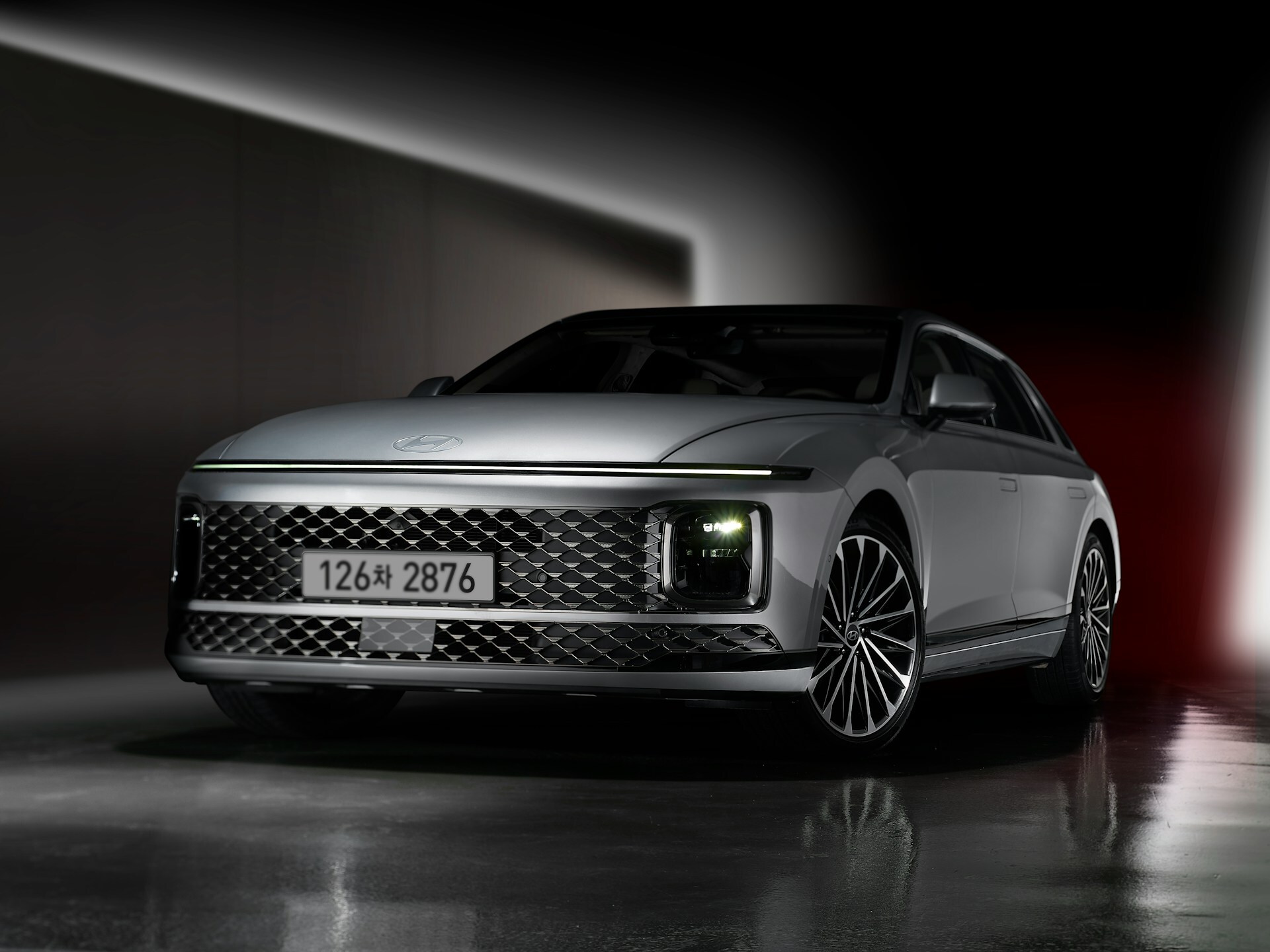
Cut Fuel Costs and Emissions on Long Island Roads
Switching to a Hyundai eco-friendly model in Suffolk County is not just about helping the environment. It can also change what you spend to own and drive your car over time. With heavy beach traffic, daily trips on Sunrise Highway, and crowded roads around the LIE, fuel and maintenance costs can add up fast.
That is where total cost of ownership, or TCO, comes in. TCO is the full picture of what a vehicle really costs you, including the purchase price, fuel or charging, maintenance, insurance, incentives, resale value, and how and where you drive. When you compare all of these pieces, Hyundai hybrid, plug-in hybrid, and electric models can stack up very well against traditional gas vehicles for Long Island drivers.
In this article, we will walk through real-world cost factors for Suffolk County drivers who commute, take family road trips, and deal with both heat and snow. Our goal is to help you understand how an eco-friendly Hyundai might fit your life, your budget, and your daily routes.
Purchase Price, Tax Credits, and New York EV Incentives
When people think about Hyundai eco-friendly models in Suffolk County, the first question is often about the purchase price. Hybrid and electric models can sometimes carry a higher sticker price than a similar gas model, but that is only part of the story.
You will generally see three types of Hyundai eco-friendly vehicles:
- Hybrids that charge themselves as you drive
- Plug-in hybrids that use both gas and plug-in electricity
- All-electric models that run only on electricity
Hybrids often sit close to gas models in price, while plug-in and all-electric models can be higher at first. The good news is that incentives may help lower that gap. Depending on the model, shoppers may qualify for:
- Possible federal tax credits for certain new EVs or plug-in hybrids
- The New York State Drive Clean Rebate for eligible electric models
- Potential rebates or bill credits from local utilities for installing a home charger
These programs can shrink the effective cost you pay over time. Some savings show up at tax time, while others lower what you pay on the day you buy or lease.
Financing and leasing can also spread costs out into monthly payments that feel more manageable. Dealers often run special offers, including:
- Low APR financing on select hybrid and electric models
- Lease programs that can help you upgrade more often
- Promotions around peak shopping seasons, such as summer events
When you combine possible tax credits, state rebates, and dealer programs, that higher sticker price can become much closer to, or even competitive with, similar gas vehicles.
Charging vs. Gas Costs for Suffolk County Commutes
Fuel costs are where many drivers see the biggest difference. On Long Island, gas prices can swing up and down, especially in warmer months when more people are on the road. Electricity rates also vary, but for many drivers, the cost per mile for an EV or plug-in hybrid can be lower than for a gas car.
Think about common Suffolk County trips, like:
- Daily drives on Sunrise Highway or the Long Island Expressway
- Runs from West Islip to the Fire Island ferry terminals
- Regular errands around Bay Shore, Babylon, or Patchogue
For these types of routes, charging at home is often the most affordable way to power an EV. There are two basic home charging options:
- Level 1 charging, which usually uses a standard household outlet and adds range slowly
- Level 2 charging, which uses a dedicated 240-volt outlet and adds range more quickly
Level 2 charging can involve equipment and installation costs. Some utility companies may offer rebates or special rates that can help offset that cost. Many also encourage off-peak charging, where electricity is cheaper at certain times of day, so you can lower your per-mile cost even more by charging overnight.
Public charging is another piece of the TCO puzzle. Around Suffolk County, drivers can find:
- Fast charging stations along major routes and near popular shopping areas
- Workplace or destination chargers at some businesses and parking areas
Public chargers can charge by the kilowatt-hour, by the minute, or by session. Actual costs vary, but most drivers use a mix of home and public charging. Your monthly “fuel” bill will also change a bit with the seasons, as AC in summer and heat in winter can affect efficiency.
Insurance, Maintenance, and Long-Term Reliability
Insurance is part of the total cost of ownership that many drivers only think about at renewal time. For hybrids and EVs, rates can be somewhat different from gas models, depending on the vehicle and the insurer. Companies often look at:
- Safety features and crash performance
- Estimated repair costs and parts prices
- Your annual mileage and driving history
Because many Hyundai eco-friendly models come with modern safety tech, some insurers may offer discounts that help balance any higher repair costs. It is usually smart to get quotes from a few providers and ask how your specific model and driving patterns affect your rate.
Maintenance is where EVs and many hybrids can really shine over time. Electric powertrains have fewer moving parts, and many service items that gas vehicles need simply do not apply. For example, fully electric models do not need oil changes. Routine care tends to focus on:
- Tire rotations and replacements
- Brake inspections, with brakes often lasting longer thanks to regenerative braking
- Cabin air filters and wiper blades
- System checks for battery health and EV coolant where required
Working with a team that knows Hyundai eco-friendly systems can keep costs predictable and help you stay ahead of any issues.
Hyundai also backs its vehicles with strong powertrain and battery warranties. Modern EV batteries are designed to handle many years of use, even in a coastal climate with humidity, salt air, and big swings in temperature. Regenerative braking can be especially helpful in Suffolk County’s stop-and-go traffic, easing wear on brake pads and rotors.
Seasonal Factors, Winter Range, and Resale Value
On Long Island, you feel every season. Hot, muggy summers and cold winters both affect EV range and energy use. In very warm weather, you run the AC more. In winter, heaters and heated features pull extra energy, and batteries can be less efficient in the cold.
Drivers can help balance this with a few habits:
- Precondition the cabin while the car is still plugged in
- Use eco driving modes on longer trips
- Use seat and steering wheel heaters instead of blasting cabin heat when possible
Suffolk County driving also includes plenty of traffic, short trips, and the occasional road trip off the Island. Short local drives can be ideal for EVs and plug-in hybrids, especially if you can charge at home. For longer drives, many owners plan a quick stop at a fast charger as part of their normal rest break.
Resale value is another key part of TCO. Current trends show growing interest in Hyundai eco-friendly models as more drivers look to cut emissions and long-term fuel costs. What helps protect your vehicle’s value over time?
- A clear service history from a trusted local service department
- Battery health reports, when available, to give buyers confidence
- A clean interior and exterior, especially in a coastal area where salt can cause wear
As more charging options appear around Suffolk County and more people gain experience with hybrids and EVs, demand for used eco-friendly models is likely to stay strong. This can support resale values and help balance the higher upfront investment many drivers make when they first choose an eco-minded vehicle.
Drive Cleaner and Save More With Your Next Hyundai
Explore how our Hyundai eco-friendly models in Suffolk County can help you cut fuel costs while reducing your environmental footprint. At Atlantic Hyundai, we are ready to answer your questions, walk you through available options, and explain maintenance needs for hybrid and electric vehicles. If you want more personalized guidance or to schedule a visit, simply contact us and we will help you take the next step.


