

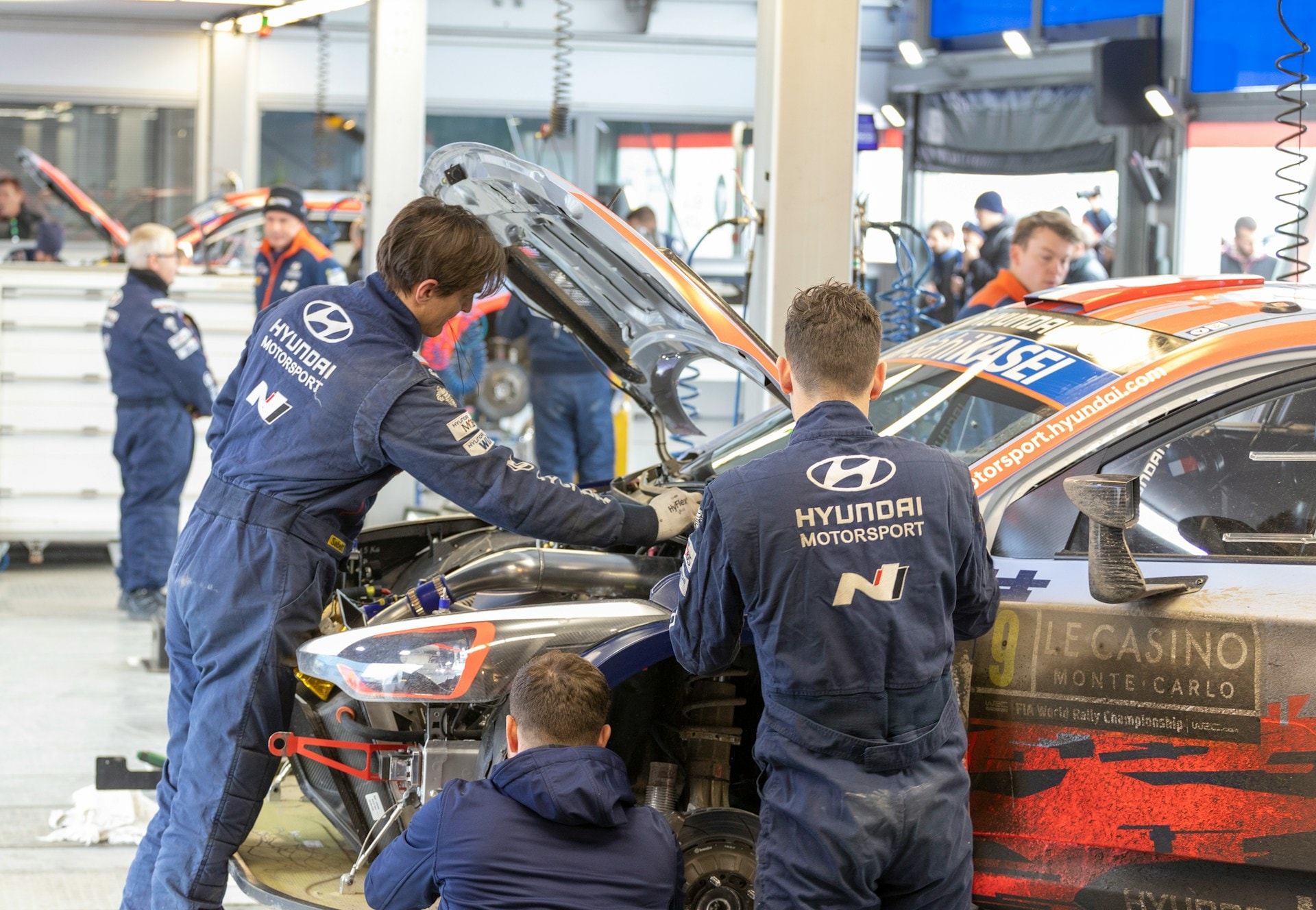
Once winter hits, it doesn’t take long for driving to feel like an entirely different experience in West Islip. Cold air, slick streets, and limited daylight raise the chances of accidents, even for drivers who are usually careful. Icy intersections, untreated neighborhood roads, and heavy snowfall can lead to more fender benders and slide-offs than we see other times of the year. With lower visibility and freezing temperatures, it’s no surprise that more vehicles come in needing repair after winter weather events.
When winter damage happens, a Hyundai collision service in West Islip can help bring the vehicle back to road-ready condition. But what happens during the repair process? What should drivers in Suffolk County expect when the unexpected happens on a snowy day? We’re breaking that down below so local drivers can feel more prepared.
How Winter Conditions Affect Vehicle Damage
Slippery roads make stopping harder, and when visibility drops, reaction time shortens. That mix can cause a lot of minor crashes. But beyond the typical dings and dents, there’s another layer of wear that creeps in during winter.
- Salt on the roads helps keep ice in check but eats into vehicle parts. Over time, it speeds up rust and corrodes metal under the car.
- Cold temperatures mess with how parts move. Suspension can stiffen, brakes can lag, and tires lose grip faster on cold pavement.
- Potholes grow worse through cycles of freezing and thawing. If your tire hits one just right, it can knock out alignment or dent your rim.
After a crash, even a small one, it's common to find cracked bumpers, scraped panels, or alignment pulls that weren’t obvious at first. These little things, if ignored, can lead to bigger trouble later on. Winter brings longer nights and unpredictable conditions, so noticing these effects can save time and money down the line. What seems minor now could become costly if left unchecked through the season.
What Happens After a Winter Collision
Skidding through a red light or slipping into a parked car can happen faster than you’d think. When it does, every moment feels icy and tense. Once you're safe and the vehicle is off the road, it's helpful to take a breath and go through a few fast steps.
- If possible, take quick photos of the scene, including any damage on your car and the road conditions.
- Exchange insurance information with any other drivers involved and jot down the nearby street or intersection.
- If your car is driveable, make your way home carefully. If not, roadside service may be needed. Once the vehicle arrives at a repair facility, it’ll go through a full inspection.
When a car arrives at our shop after a snowy accident, we take note of both visible and hidden problems. Ice can cover damage, and sometimes inner components shift without showing right away. That’s why a close look from bumper to bumper matters, especially after cold-weather collisions. Taking these extra precautions is important, since hidden problems can emerge days or weeks after the initial accident.
The Repair Process Step by Step
Once a vehicle has been dropped off, the process moves into several phases. Repairs in winter follow the same core steps as other seasons, but chilly air and parts demand can make timing less predictable.
- We start with a safety inspection to see if anything poses a hazard before or during the repair.
- Next comes a detailed damage assessment. We check inside the panels too, looking for alignment shifts or frame issues that aren’t always obvious.
- Then we build the repair plan. This includes parts ordering, labor estimates, and timing outlines.
Some parts may take longer to arrive during the winter months. Transit slows when snowstorms hit other parts of the country, so we try to set realistic timelines from the start. Many drivers want their vehicles back fast, especially when it means avoiding further exposure to snow and salt. Communication is key, so expect ongoing updates about status and timing to help reduce surprises. Keeping everyone in the loop makes the process run more smoothly and eases some of the frustration that comes with waiting during the winter.
Atlantic Hyundai’s collision and repair services use genuine Hyundai parts and are equipped to restore frame alignment, suspension, and cosmetic damage from winter collisions.
Cold Weather Tips When Waiting on Repairs
We get it. Waiting for repairs during the cold season isn’t fun. Not having your usual ride throws off routines, school drop-offs, and weekend plans. But with a little planning, it doesn’t have to add stress on top of frustration.
- Consider securing a rental early, especially if snow is in the forecast and public transit isn’t an option.
- If the car is still at your home and waiting to go in for repair, park it in a garage if you can. If that’s not possible, a fitted cover will help block snow and street salt.
- Try not to delay repairs. Salt gets into every crack and can make small damage worse fast.
Ongoing cold weather can take an already damaged vehicle and break it down further. Worn tires start leaking faster in the cold. Fenders crack a bit more. The sooner we can look at the car, the better we can protect it. If repairs feel delayed, stay in touch for updates, and ask about temporary solutions for urgent needs.
How Our Local Roads and Weather Make Repairs Different
Winter in Suffolk County brings ice, snowplows, and coastal wind. That combination creates problems unique to our region and adds layers to winter collision repairs.
- Snowplows often leave behind jagged packed snow that becomes rock-hard by morning. It tears off splash guards and lower bumper covers.
- Curbside parking is risky when plow buildup hides edges. One hit can throw off your wheel alignment or damage an axle.
- Saltwater sprays from coastal roads and black ice in shaded areas leave long stretches of road more dangerous than they appear.
Because of this, local repair planning often takes into account more than just what happened during the accident. We look for what happened before and after too. Did the vehicle sit in freezing temperatures afterward? Were tires already worn from a bad stretch of road? Local experience helps prevent us from missing those snow-season patterns. Factoring in these small regional differences can mean the difference between a quick fix and a long-term issue coming back.
Getting Through Winter Accidents With Less Stress
West Islip winters can be rough on vehicles, especially after a crash. The cold weather stacks on more problems, and waiting too long to get things checked often makes matters worse. But knowing how the process works and what to expect helps take away some of the weight.
When drivers understand the types of winter damage to watch for, it becomes easier to take action early. The repair steps might not change much from season to season, but timing and planning do. Our local weather creates unique repair challenges, but that also means we’ve become familiar with what matters most.
Being prepared makes recovery faster and smoother. Not just for the car, but for the driver too.
Winter accidents in West Islip can lead to more than just surface-level damage when snow, ice, and salt wear down your vehicle over time. From frame issues and worn alignment to hidden rust, a thorough inspection now helps prevent bigger problems later. Our team is here to guide you through repairs after a cold-weather crash and explain what to expect at each step. Discover how our Hyundai collision service in West Islip helps local drivers with winter recovery. Call Atlantic Hyundai today to schedule your repair or get information about availability.


