

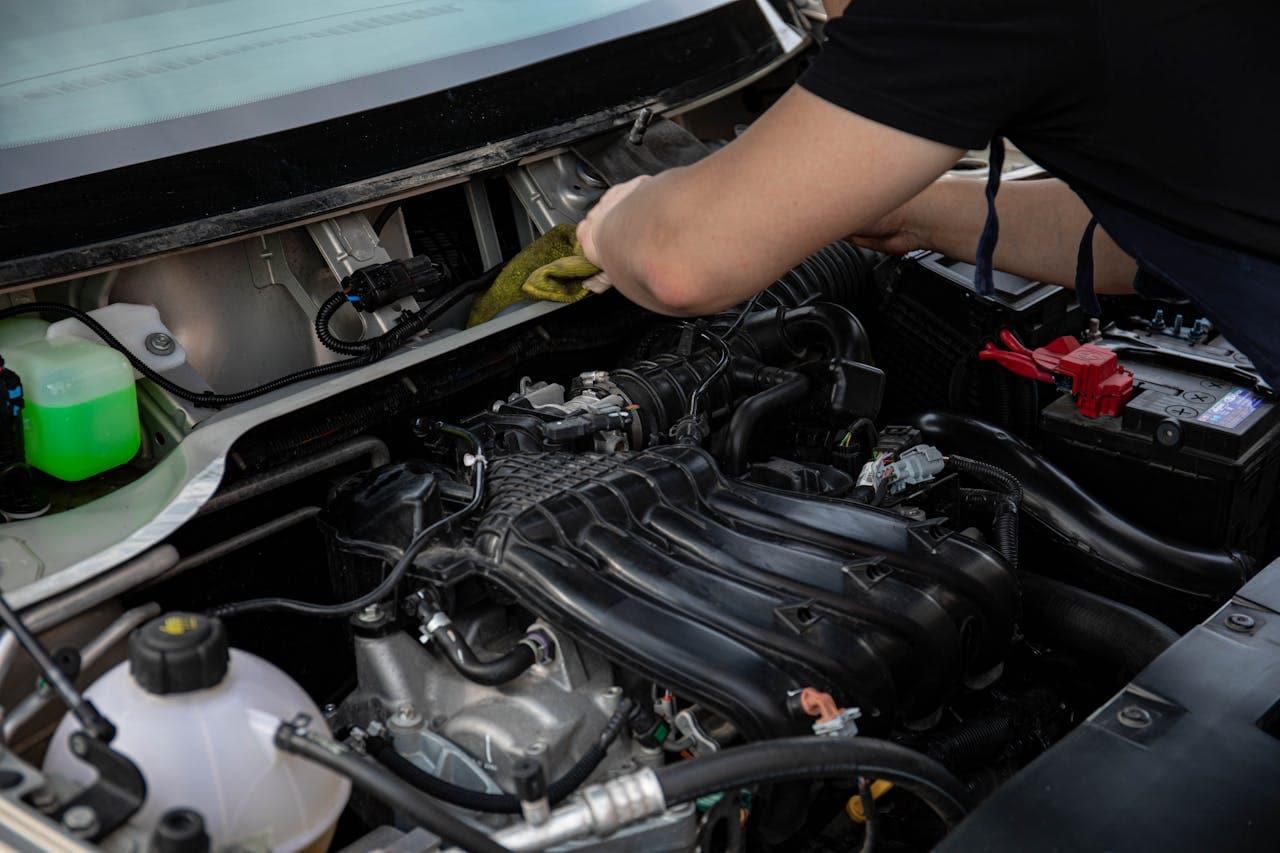
February tends to be tough on cars, especially here in West Islip where winter mornings mean cold starts and salty roads. Engines take the brunt of the stress, often showing signs of wear or failure at the worst time, right when drivers can’t afford to be without a working vehicle. Understanding a little more about how cold snaps affect your Hyundai can make a big difference. Choosing to act early instead of waiting could be the difference between a quick fix and a longer, costlier visit. That’s why it helps to know what to expect when it comes to Hyundai engine repair in West Islip this time of year.
Common Winter Engine Problems Drivers See in West Islip
Cold weather doesn’t just feel rough, it affects how your car performs from the moment you turn the key.
- Engine oil thickens in lower temperatures, making it harder for components inside the engine to move freely
- Starters tend to work harder, which can drain the battery faster
- Sensors and belts exposed to sharp temperature swings may trigger warning lights
If your Hyundai starts to idle a little rough, shake while warming up, or flash unusual dashboard alerts, don’t ignore it. These little signals usually come before something more serious. By February, the cold has already pressed in for several weeks, which is why small issues begin popping up. A slow or weak start can tell you the engine is having to push harder than usual just to begin a drive.
How Cold Affects Hyundai Engines Over Time
Over time, winter driving doesn’t just cause a single part to wear out. Cold starts and February freezes can slowly wear down several systems.
- Repeated cold starts can lead to fuel not vaporizing properly, which adds extra stress to internal parts
- Freezing temps slow the movement of oil, meaning metal edges work against each other more
- Rubber hoses and seals may harden or crack in extreme cold, eventually leading to leaks
These changes don’t happen all at once. Often, damage adds up bit by bit. A driver might not notice anything unusual until the problems are more obvious, especially if trips are just short ones around Suffolk County. That’s why keeping track of how things feel during starts, warm-ups, and highway speeds can help you make smarter choices about repairs before trouble hits for real.
What to Expect During a Hyundai Engine Repair Appointment
It can feel a little uncertain stepping into an engine repair consult, especially when it’s cold outside and staying mobile matters. Knowing what to expect helps.
- A typical appointment starts with a full engine diagnostic to check sensors, fuel system behavior, and overall performance
- You’ll talk through when you first noticed the issue and whether anything has changed since
- The technician may ask about driving habits, recent long trips, or weather conditions around the time the issue showed up
We always recommend bringing any service records from earlier in the year. That gives the advisor a clearer sense of what’s been checked or changed already. Even details that feel small can help. This includes whether there was a strange smell during startup or if oil was topped off recently. All those clues help narrow down the fix faster, especially during months when adjustments may be different from what’s needed in spring or summer.
Atlantic Hyundai’s certified technicians use Hyundai Genuine Parts and advanced diagnostic equipment for all Hyundai engine repair in West Islip. Repairs are performed to Hyundai’s factory specifications to meet the needs of local vehicles facing tough winter conditions.
Preventive Tips to Dodge Bigger Repairs
Most engine problems don’t start as major repairs, they grow that way after being pushed through too many frozen starts or ignored rattles. Some simple steps can lower the stress your engine faces this season.
- Warm up the car gently, but don’t let it idle for long periods in the driveway
- Check your oil and other fluids more often in colder months
- Listen for ticking sounds, unusual smells, or vibration while driving
If something feels off, don’t wait it out. Cold temperatures tend to make a bad situation worse in a short amount of time. Keeping up with recommended maintenance right now can make the back half of winter a lot smoother. That includes checking the battery too, since lower battery performance can sometimes cause engine-related issues like slow cranking or misfires.
How Weather and Location Make a Difference
Living in West Islip means more than just frozen mornings, it means exposure to local road treatments, salt spray, and short drives that don’t always let the engine fully warm up.
- Salt buildup under the hood, especially after a snowstorm, can lead to corrosion around engine mounts or wiring
- Constant stop-and-go traffic can stop oil from moving through the engine the way it should
- Potholes and rough roads might jostle or shift connections slowly over time
This mix of conditions makes February a smart time to keep an eye on things. We know the roads, and we know they don’t improve with cold. Small shifts in the engine’s behavior can sometimes come from the driving environment as much as from worn parts.
A few short changes to your routine can help. Skip car washes during freezing weather, but rinse your undercarriage when possible. Try longer drives on the highway once a week to circulate fluids fully, especially if you normally do short errands. And always be quick to question a new noise before it becomes something louder.
Keep Your Hyundai Running Strong Through Winter
February brings new stress to your engine, even if it felt fine through early winter. Tighter commutes, colder nights, and longer stretches between drives make this a month when small issues begin to surface. But the signs of trouble aren't always loud. That’s why it's smart to stay alert, even if things seem to be moving along each day.
By paying attention to how your Hyundai starts, sounds, and performs in the cold, you’re already one step ahead. That matters here in West Islip, where winter lasts just long enough to catch problems that started small and grew quietly. Acting early can mean an easier ride through the final leg of the season.
Winter conditions can make your vehicle harder to start or cause unusual engine behavior, and our Hyundai-certified technicians in West Islip understand how cold weather affects engines differently. Whether you’ve noticed a warning light or a slow crank, handling it early can help prevent bigger issues later on. At Atlantic Hyundai, we explain what we’re checking and why, ensuring you feel informed throughout the process. Schedule your appointment for Hyundai engine repair in West Islip with us today.


