

How Suffolk County Families Can Drive Cleaner and Smarter
Choosing your next family car is a big deal. Around Suffolk County, our days are full of school runs, stop-and-go traffic on Sunrise Highway and the LIE, quick grocery trips, and those much-needed beach days. Picking between a Hyundai plug-in hybrid and a full electric vehicle is really about how that car will fit into all of that, not just what it looks like in the driveway.
Hyundai eco-friendly models in Suffolk County now give families real choice. Plug-in hybrids and full EVs can both cut tailpipe emissions and save on fuel, but they do it in different ways. In this article, we will walk through what those differences mean in real life, with a focus on home charging, weekday routines, and those weekend drives to Jones Beach, Robert Moses, and even out toward Montauk.
Plug-in Hybrid Vs Full EV Basics for Busy Parents
A Hyundai plug-in hybrid is like two cars working together. It has a gasoline engine and a rechargeable battery with an electric motor. You can drive short trips using only electric power, then when that battery runs low, the car switches to gas and just keeps going.
A full EV is different. It runs only on electricity. There is no gas tank and no tailpipe. It uses a larger battery that can take you much farther on electric power, but you do need to plan around charging instead of gas stops.
For Suffolk County families, that usually comes down to how each type fits your week:
Plug-In Hybrid Strengths
- Great if your days are a mix of short local trips and longer highway drives
- Lets you do many school runs and errands on electric power only
- Gas engine is there when plans change or trips run long
Full EV Strengths
- Zero tailpipe emissions for all your driving
- Simple to own, since you only think about charging, not gas
- Helps cut fuel stops out of your week, which is nice with kids in the back seat
If your routine is fairly predictable, with the same commute and activities most days, a full EV can work very smoothly. If your schedule is all over the place, or you often decide to keep driving farther, a plug-in hybrid can feel more flexible.
Home Charging Made Simple on Long Island
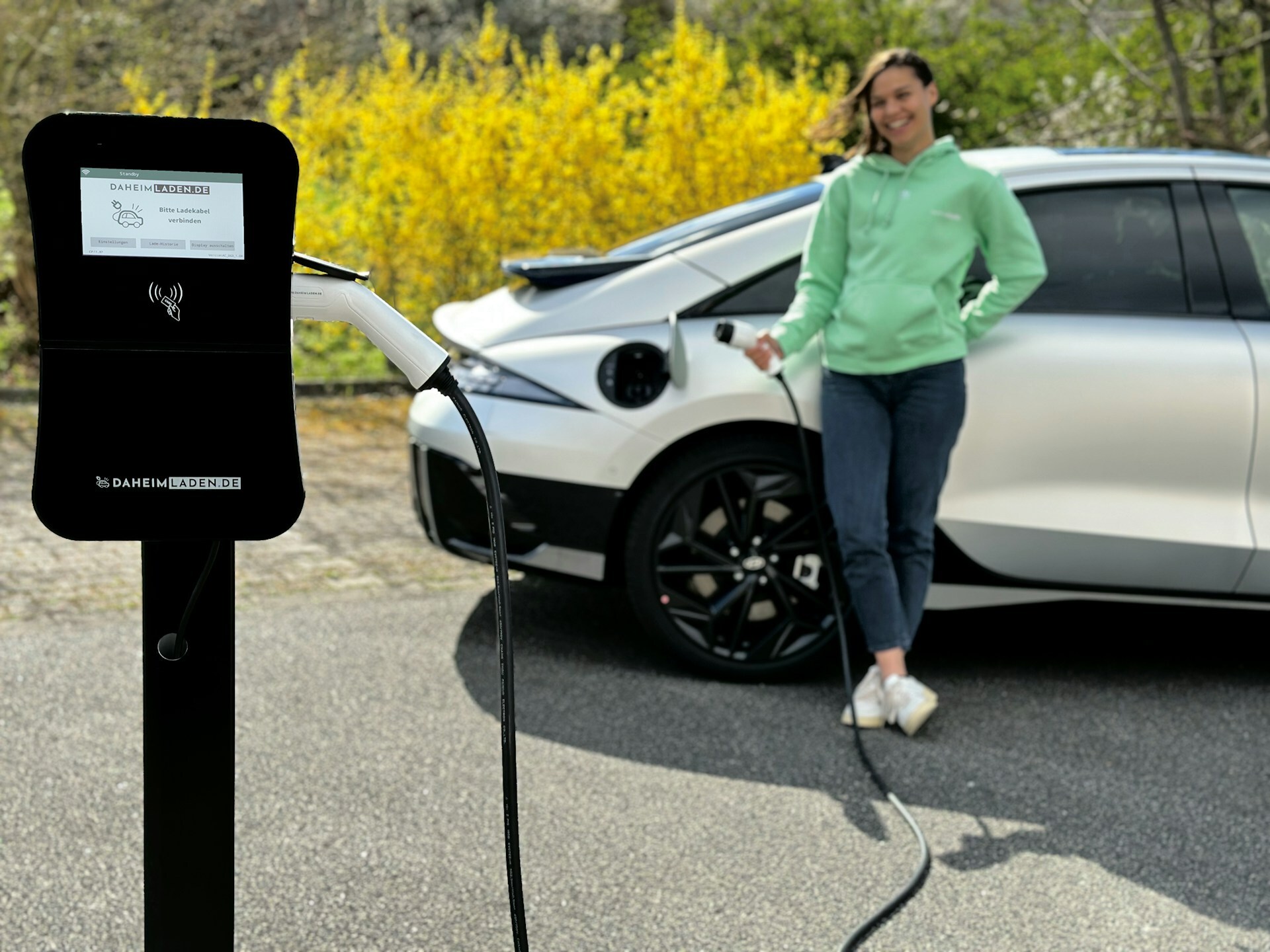
Charging is the part that feels new for many parents, but it does not have to be hard. On Long Island, most families have a driveway or garage, and that makes home charging much easier.
There are two main home charging levels:
Level 1 Charging
- Uses a standard household outlet
- Works well for plug-in hybrids with smaller batteries
- Slower for full EVs, better for topping off rather than big charges
Level 2 Charging
- Uses a dedicated 240-volt connection, similar to a clothes dryer
- Usually needs an electrician to install a charger in your garage or near your driveway
- Much better for full EV owners who want to fully charge overnight
For a plug-in hybrid, Level 1 charging is often enough. You plug in when you get home, and by morning, the battery is ready for another day of school runs and errands on electric power.
For a full EV, a Level 2 charger at home is a big help. It lets you start each day with a full battery, which feels a lot like starting each day with a full tank of gas. Late summer is a good time to set this up, before the school year rush and before colder weather, which can affect driving range a bit for both plug-in hybrids and EVs.
School Runs, Sports Practices, and Errands Made Greener
Think about a typical weekday in Suffolk County. Morning drop-off at school, a commute toward Babylon, Huntington, or Patchogue, maybe a quick lunch stop, then afternoon soccer, dance, or music lessons, and finally a run to the store or the mall before heading home.
Here is how both types of Hyundai eco-friendly models in Suffolk County can fit that day:
Plug-In Hybrid for Weekdays
- Charged overnight, it covers many school runs and local errands on electric only
- If practice runs late or you need to head farther out, the gas engine takes over
- No need to worry if there is a charger near the field or the studio
Full EV for Weekdays
- Charged at home, it handles school, work, and practices on one charge for many families
- No stopping for gas on busy afternoons
- Public chargers near shopping centers or workplaces can add peace of mind
Parents also ask about stress in traffic. Many Hyundai models offer driver-assist features that can help with stop-and-go lines near schools or on Sunrise Highway. These features are useful whether you go plug-in hybrid or full EV, and can make those hectic mornings feel a little calmer.
Weekend Beach Trips and Family Adventures
Weekend plans are where range questions really show up. Day trips to Robert Moses State Park, over to the Fire Island ferries, out toward the Hamptons, or even heading upstate all ask a bit more from your vehicle.
With a plug-in hybrid:
- You can leave home with a full battery and a full gas tank
- You use electric power for early parts of the drive and local exploring
- If you decide to keep going, you just stop for gas like any other car
With a full EV:
- You will want to look at your route ahead of time
- Fast chargers on Long Island and along major highways make longer trips possible
- Many public chargers are near shopping areas or popular stops, so you can plug in while the family eats or stretches their legs
Some Hyundai EVs include navigation features that can help you find nearby charging stations as you go. That is handy if you are heading out toward Montauk or exploring new places and do not want to keep checking your phone. With a little planning, EV road trips can fit right into family life.
Choosing the Right Hyundai Eco-Friendly Model for Your Family
So which type fits your driveway best? It usually comes down to how you live and where you drive.
A plug-in hybrid may be best if:
- Your driving is a mix of town streets and highway trips
- You often drive longer distances without much notice
- Home charging is limited or you are not ready to install a Level 2 charger
A full EV may be best if:
- Your daily mileage is fairly predictable
- You have a good spot for home charging and can add a Level 2 charger
- Cutting tailpipe emissions and fuel stops is a big goal for your family
Total cost over time matters too. Electricity and fuel costs on Long Island, possible state and federal incentives, and the way Hyundai warranties and maintenance needs work can all shape the long-term value of each choice. At Atlantic Hyundai in West Islip, we talk with many Suffolk County families about their actual schedules, their homes, and their weekend plans so they can find the eco-friendly Hyundai that fits their lives, from the first school bell to the last beach sunset.
Discover Your Ideal Eco-Friendly Hyundai Today
Explore our selection of Hyundai eco-friendly models in Suffolk County and find the vehicle that fits your lifestyle and budget. At Atlantic Hyundai, we take the time to understand your needs so we can recommend the best hybrid or electric options for you. If you have questions about financing, charging, or features, simply contact us and our team will be ready to help you move forward with confidence.


