

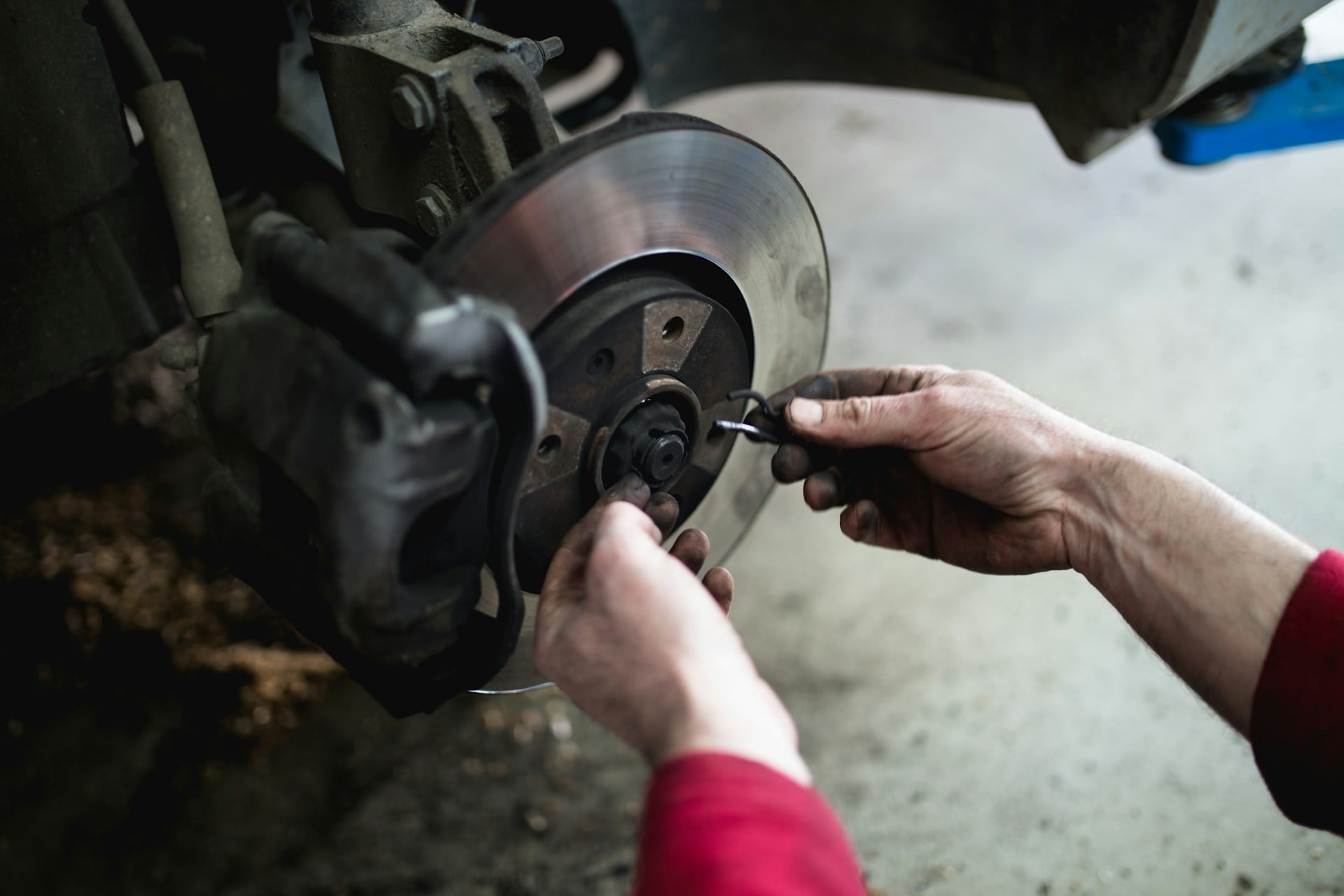
Protect Your Hyundai Brakes Before Summer Road Trips
Good brakes matter every single day, but they feel even more important when you are loading up the car for a weekend out east. Long Island drivers deal with heavy traffic, short exits, and fast stops on the LIE, Sunrise Highway, and the parkways. If your Hyundai brakes are not ready for that kind of driving, those fun trips to the Hamptons, Montauk, or local beaches can turn stressful fast.
All that stop-and-go driving, along with salty ocean air, can be hard on brake pads, rotors, and lines. Brakes heat up, cool down, and face moisture and salt that can lead to rust. In this article, we will look at some common Hyundai brake service mistakes drivers make when they need Hyundai brake service in Long Island, and how to avoid turning small problems into bigger, more expensive ones.
Ignoring Early Warning Signs From Your Brakes
Many drivers hear a light squeal from the brakes and just turn up the radio. That is one of the biggest mistakes. Your Hyundai is often trying to tell you something long before the brakes completely wear down.
Common warning signs that should never be ignored include:
- Squealing or grinding sounds when you press the brake pedal
- A soft, spongy, or low brake pedal
- Vibration or shaking in the steering wheel while braking
- The car pulling to one side when you slow down
- Longer stopping distance than normal
When you sit in heavy Nassau or Suffolk County traffic with these symptoms, every stop puts more stress on parts that are already worn. A simple pad replacement can turn into:
- Warped or deeply grooved rotors
- Damaged brake calipers
- Uneven brake wear from side to side
- Overheated brake fluid and fading stopping power
Hyundai models like the Elantra, Sonata, Tucson, and Santa Fe each have their own brake feel and sound patterns. Hyundai-trained technicians work with these systems every day, so they know the common noises, how the pedal should feel, and what is normal for each model. Getting those early warning signs checked right away can keep you safer in traffic and help prevent larger repairs later.
Waiting Too Long Between Brake Inspections
Another mistake is thinking brakes only need attention when the pads are almost gone. Brakes wear slowly, so it is easy to forget about them until there is a big problem. Regular inspections are an easy way to stay ahead.
Good times to have your brakes inspected are:
- At normal oil change visits
- About every 6 months, even if you do not drive a lot
- Before and after the harshest winter months
Long Island weather can be tough on brakes. Winter road salt can get into small spaces and speed up rust on rotors, pads, and brake hardware. Spring rain and puddles can lead to moisture and surface corrosion. Summer heat makes brake parts expand and can reveal problems like sticking calipers or weak rubber hoses.
During routine Hyundai brake service in Long Island at a dealership service center, technicians can:
- Check pad thickness and look for uneven wear
- Inspect rotors for grooves, rust, or heat spots
- Look for small leaks at lines, hoses, and calipers
- Check brake fluid level and condition
Catching these issues early often means shorter visits, fewer parts to replace, and more confidence every time you press the pedal.
Choosing Cheap Parts Over Genuine Hyundai Components
Saving money on parts can look tempting, but cheap or low-quality aftermarket brakes can cost you more in the long run. Brakes are not just about stopping; they are also about how the car feels in everyday driving.
Risks of using generic pads and rotors include:
- Extra brake noise like squeals, clicks, or grinding
- Faster wear, which means more frequent replacements
- Dust that dirties wheels more quickly
- Reduced stopping power under heavy braking
Genuine Hyundai brake components are designed for each specific Hyundai model. They are made to work with your car’s exact weight, suspension, and braking system. They are also built to match features like ABS and stability control so the brake system and safety systems work together the way they should.
When a dealership parts and service team installs factory-approved components, everything is designed to fit correctly the first time. That helps support warranty coverage and gives drivers more peace of mind, especially in fast-moving traffic or on long trips across the island.
DIY Brake Jobs Without Proper Tools or Expertise
Some drivers like to work on their own vehicles. While that can work for simple things, modern brake systems are more complex than they look from the outside. A small mistake during a DIY brake job can lead to serious safety issues.
Common at-home brake mistakes include:
- Not tightening caliper bolts to the correct torque
- Forgetting to lubricate the caliper slide pins
- Getting grease or oil on the friction surface of the pads
- Reusing old hardware that should be replaced
- Failing to bleed the system correctly after work is done
Newer Hyundai models often include advanced driver assistance features that rely on accurate braking response. These systems can require:
- Specific diagnostic tools to reset or test brake-related sensors
- Exact torque specs for each bolt and bracket
- Correct procedures for servicing ABS components
Most home garages do not have this equipment. A professional Hyundai brake service in Long Island can help make sure brakes are installed correctly, tested on the road, and working the way the car was designed to stop. That way, when traffic suddenly slows on the LIE or a car cuts in front of you near a busy exit, your Hyundai is ready.
Skipping Brake Fluid Service and System Checks
Brake fluid is one of the most forgotten parts of the brake system. Many drivers never think about it as long as the pedal feels okay. Over time, though, fluid can draw in moisture and lose some of its ability to transfer pressure.
On Long Island, coastal air and changing temperatures can affect brake fluid and components. Moisture can enter the system slowly, which may lead to:
- Rust or corrosion in metal brake lines
- Internal wear in the master cylinder
- Sticky calipers from contaminated fluid
- A soft or fading brake pedal when the brakes get hot
During a full brake check, certified technicians can:
- Test fluid condition and look for signs of contamination
- Inspect lines and hoses for rust, swelling, or cracks
- Check the master cylinder and reservoir for leaks
- Confirm that ABS and related warning lights are off and working correctly
Having the entire system checked helps prepare your Hyundai for longer drives, heavier loads, and frequent stops, whether you are heading to the beach, visiting family, or just dealing with daily Long Island traffic.
Schedule Safer Spring Driving with Atlantic Hyundai
Brakes are easy to forget until something feels wrong, but making them a regular part of your maintenance plan is a smart safety step. Treating brake service as routine care, not a last-minute fix, can help avoid stressful roadside surprises when roads get busier in the warmer months.
At Atlantic Hyundai in West Islip, our Hyundai-focused team can inspect pads, rotors, fluid, and hardware, then explain what we see in simple, clear terms. Many drivers like to pair a brake check with other seasonal services like tire rotation, alignment, and fluid checks. That way, your Hyundai is ready for smoother, more confident drives across Long Island and beyond, no matter where your next weekend takes you.
Schedule Expert Brake Care With Confidence
Keep your stopping power strong by booking your Hyundai brake service in Long Island with the certified technicians at Atlantic Hyundai. We will inspect your entire braking system, discuss any concerns in clear terms, and recommend only the work that truly protects your safety. To ask a quick question or set up an appointment by phone or email, simply contact us today.


